Elijah Lost His Resilience
There are moments in life and ministry when we come to the end of ourselves. Moments when every ounce of strength, passion, and resolve seems spent — when the heart that once burned brightly now feels dim and cold. In these times, we must discover that resilience is found in surrender.
We’ve prayed, trusted, served, and watched God move. We’ve poured out everything we know to give. Yet somehow, what once felt vibrant now feels vacant.
That’s where we find Elijah in 1 Kings 19.
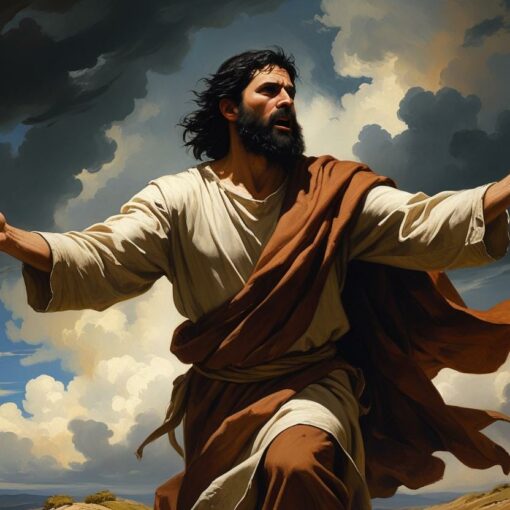
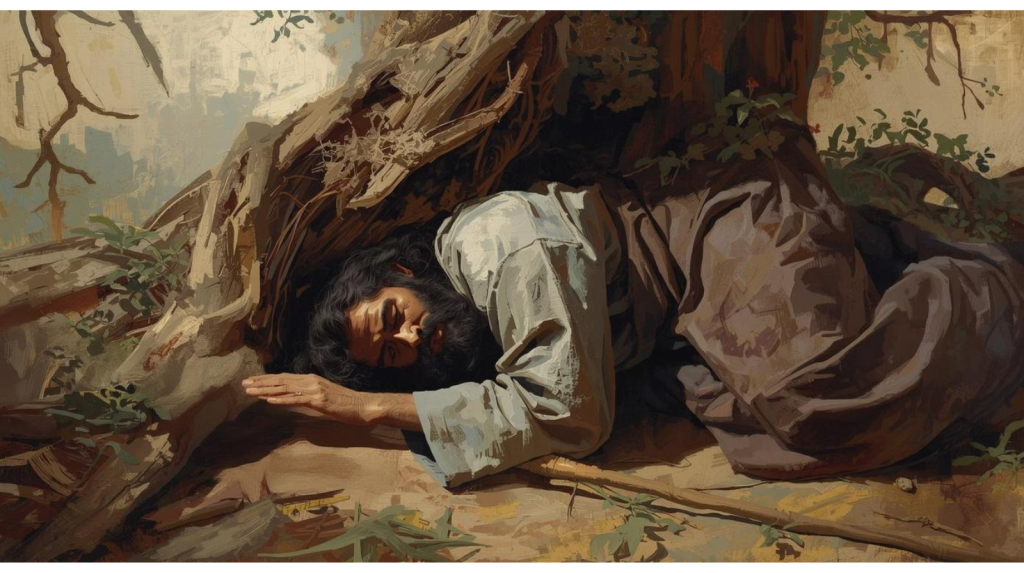
Just one chapter earlier, he had stood boldly on Mount Carmel, calling down fire from heaven and witnessing the people of Israel cry out, “The Lord, He is God!” But soon after, that triumphant prophet runs into the wilderness, collapses beneath a broom tree, and prays that he might die.
How does someone who once lived in such bold dependence on God now find himself spiritually depleted and unable to replenish?
This passage isn’t just about Elijah’s exhaustion — it’s about the deeper issue that fuels depletion: the loss of dependence. When our orientation to God shifts from trusting Him to trusting our expectations, resilience fades.
When Expectations Eclipse Dependence
On Mount Carmel, Elijah’s orientation was pure dependence. He obeyed, prayed, and watched God act. But when revival didn’t follow, disappointment came. Jezebel’s threat overshadowed God’s victory.
Elijah “saw” the situation and ran — not because God had changed, but because his expectations had. He measured success by visible results rather than by faithful obedience.
When we attach our sense of fulfillment to what we think God should do, rather than to who He is, we disconnect from the source of our strength.
At DDCommunity, we often remind those we serve that God’s faithfulness is not measured by outcomes but by His presence. Dependence holds us steady when expectations crumble.
When Self Takes to Flight
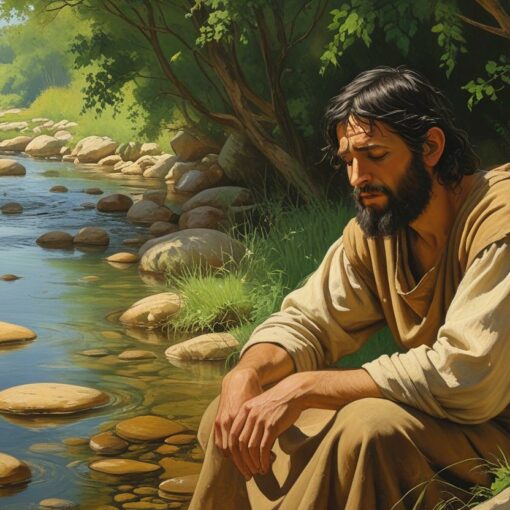
Once Elijah’s orientation shifted, self-preservation took over. The prophet who once stood before kings now fled in fear. He left his servant behind and retreated into the wilderness — not to find rest, but to give up.
When dependence fades, self-sufficiency takes the lead. We begin to rely on our own strength, and that strength always runs out.
The moment we stop living in submission to God’s will, our hearts grow weary. Elijah didn’t just run from Jezebel; he ran from the posture of trust that had once defined him. He needed to discover the resilience that is found in surrender.
Dependence is not passivity — it is active trust. It’s the moment-by-moment awareness that without Him, we can do nothing (John 15:5).
When Despair Redefines “Enough”
Under the broom tree, Elijah prayed, “It is enough.”
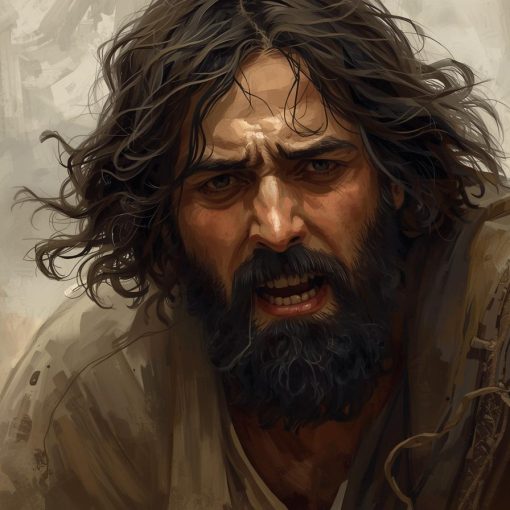
That phrase echoes through the weary heart of every servant who’s given all they know to give. But the tragedy is that Elijah’s words reveal resignation rather than renewal.
When communion gives way to complaint, “God is enough” becomes “I’ve had enough.”
Dependence reminds us that exhaustion doesn’t mean God has left us — it means He’s inviting us back to Himself. Renewal always begins at the point of surrender, and not on the heels of retreat or escape. Resilience is found in surrender.
When Belief Detaches from Dependence
Elijah’s despair deepened: “I am no better than my fathers.” He believed God’s purposes had failed — through him, as through those before him.
But God never asked Elijah to achieve results — only to obey. Success was never Elijah’s burden to bear.
That’s the heart of dependence. We don’t produce fruit for God; we abide in Him, and He produces fruit through us.
Resilience unravels when we assume the outcomes belong to us. But it is renewed when we rest in God’s sovereignty and trust His timing.
At DDCommunity, we define obedience as living in submission to God’s will. That kind of obedience doesn’t exhaust; it empowers, because it flows from trust rather than from striving. It leads to the resilience found in surrender.
When God Begins Again
Elijah believed it was over — but God was not finished with him.
Under the broom tree, God began His work of restoration. What Elijah saw as an ending, God used as a beginning.
The same is true for every weary servant. When the fire fades, God does not condemn the weak; He restores the dependent.
Resilience is not about trying harder, but trusting deeper. It’s not the grit of human effort but the grace of divine dependence that keeps the soul alive.
Resilience Is Found in Surrender
So, where is your orientation today?
Are you measuring faith by results or by a relationship with Jesus Christ?
Are you leaning on your strength or trusting in God’s sufficiency?
When the fire fades, God whispers again — not to scold, but to restore.
Because resilience is found not in the one who strives, but in the one who surrenders.
Explore more posts from our resilience series, Elijah: Fire, Fear, and Faithfulness—Finding Christ Relevant to the Fragile Moments of Life.
- Resilience Is the Christ-given Capacity to Live Abundantly
- Walking by Faith: Elijah Teaches Resilience Comes from Trust
- Courage and Resilience in the Face of Opposition
- Resilience God’s Way: Not Effort but Anointing
- How to Live a Life of Righteous Acts
- Finding Strength in the Midst of Spiritual Warfare
- Learn Why Faithfulness Is the True Measure of Strength
- Where Is Your Focus? On Faith or Fear?
- Resilience Found in Dependence: Elijah’s Faith and Frailty
- Strength for the Weary: Grace in the Midst of Crisis
POST A COMMENT about your insights on your journey toward spiritual maturity! We would love to connect with you!
Want more encouragement to see how Christ is relevant to every area of life? Join our email community!